Al-Kubakiyya
“Set him in the Garden of Eden”
© Tawfiq Daʿadli, 2006.
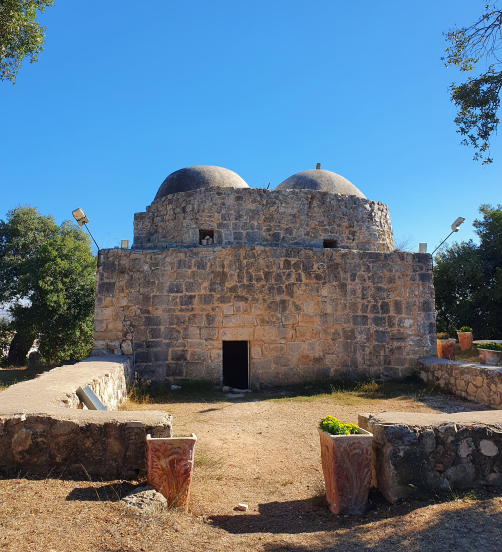
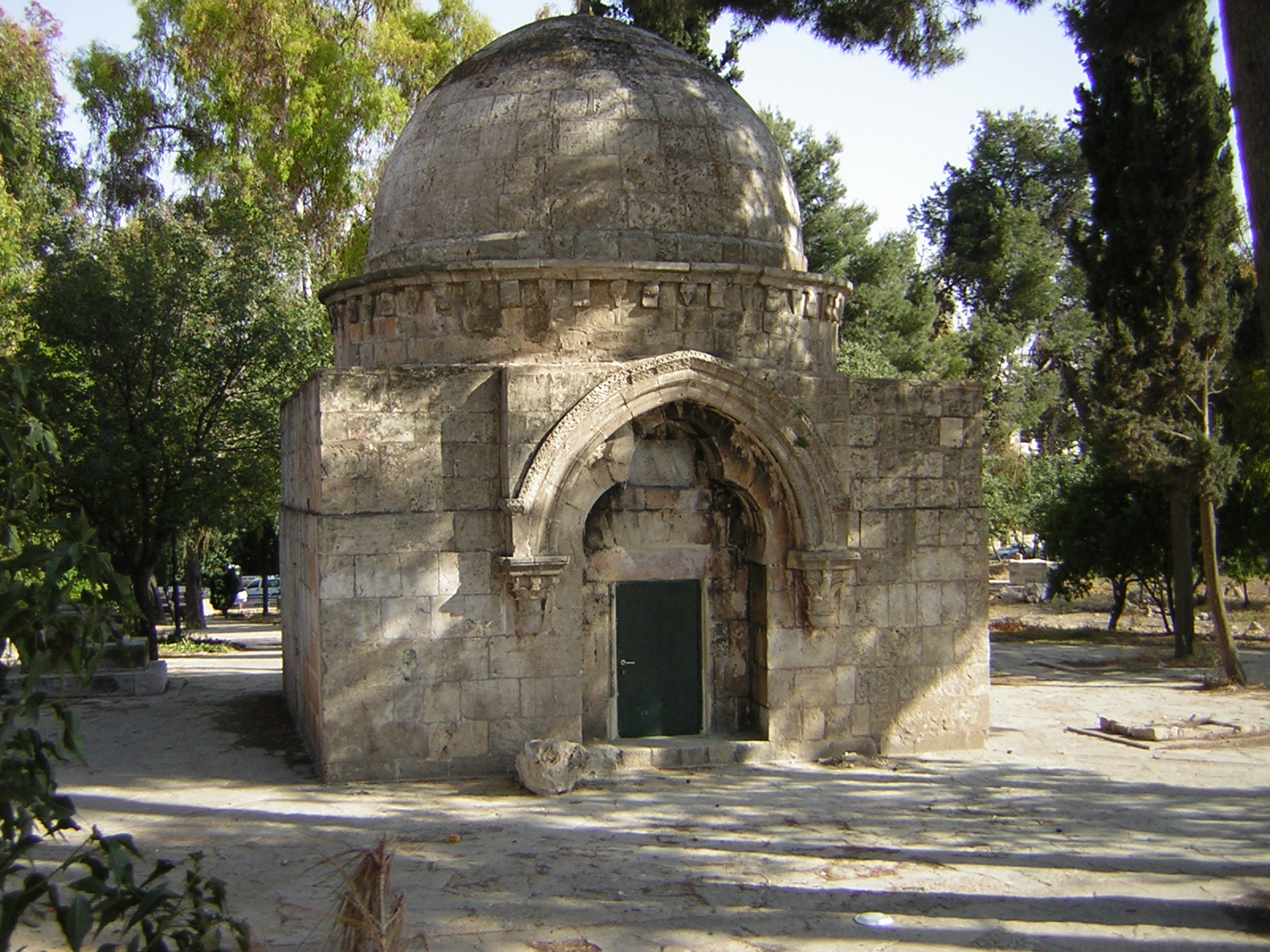
The most striking and well-preserved tomb in Mamilla today is the elegant turba, or mausoleum, known as al-Kubakiyya, located in the eastern corner of the cemetery. In Mamilla’s heyday centuries ago, there were several such grand mausolea containing tombs, similar to the maqams discussed elsewhere on the PHJ website. Only two now remain, al-Kubakiyya and the 16th-century tomb of Shaykh Ahmad al-Dajani, the latter today hidden among the pathways and flowerbeds of the Independence Park which covers the western part of the cemetery.
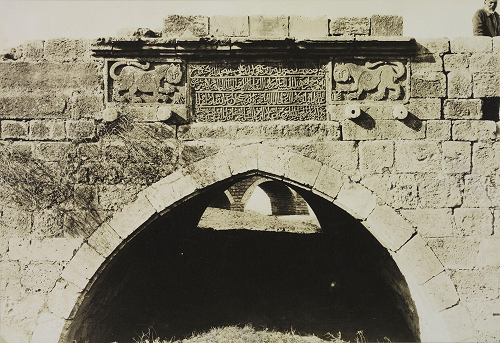
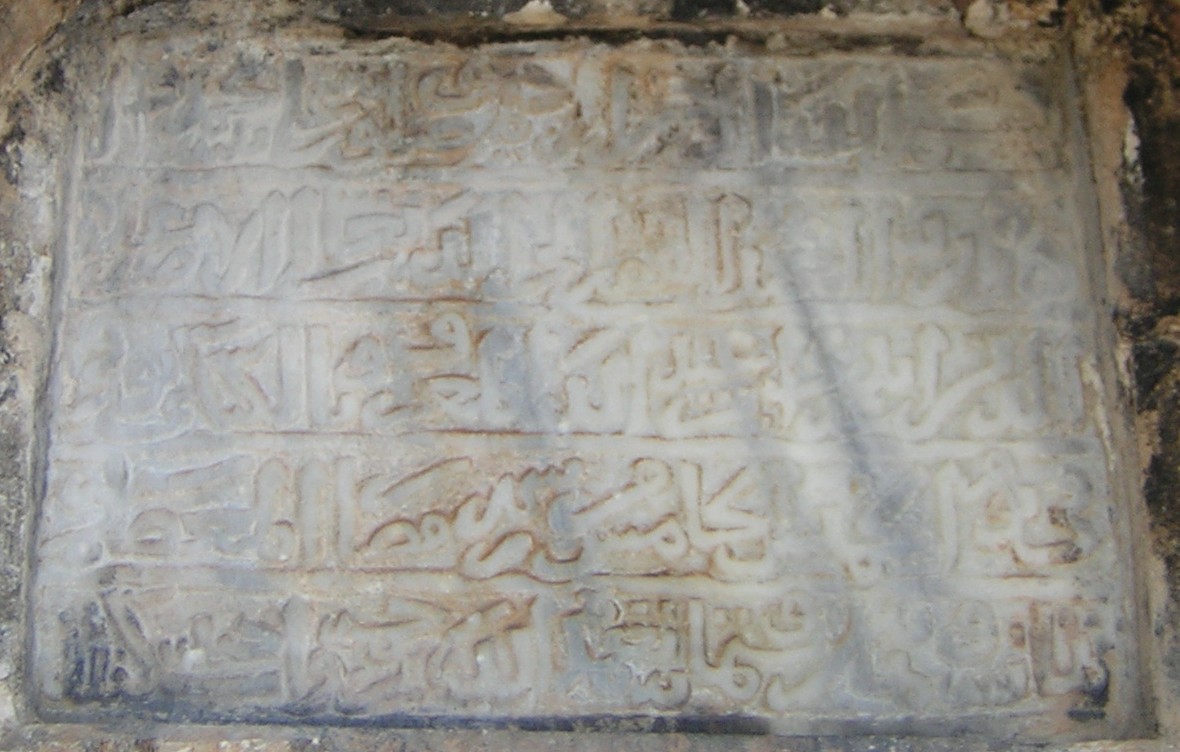
Al-Kubakiyya dates from the early decades of Mamluk rule in Palestine. It is today the only Mamluk building in Jerusalem outside the Old City. Above the entrance to al-Kubakiyya, an engraved inscription reads
In the name of God the merciful and the compassionate, and his blessing upon his Prophet Muhammad and his family. This is the grave of the servant to God almighty, Prince ʿAlaa al-Din Aydughdi ibn ʿAbdullah, known as al-Kubaki, who died Friday 5 of the month of Ramadan in the year 688 [22 September 1289]. God covered him in his mercy and set him in the Garden of Eden.
© Tawfiq Daʿadli, 2006
ʿAlaa al-Din Aydughdi al-Kubaki was a Mamluk or slave-soldier from Syria, who served the powerful Sultan Baybars (reigned 1260–77). He served as the governor of Safad in northern Palestine, and Aleppo in Syria. In later life, however, he fell out of favour, and was imprisoned and then exiled to Jerusalem, where he died aged around 60.
Architecturally, al-Kubakiyya embodies the spirit of early Mamluk Jerusalem, influenced by the Crusader presence that reshaped the city. The façade features a “floating arch”, a European design also used in the courtyard of the Church of the Holy Sepulchre. The dome of al-Kubakiyya rests on intersecting corner arches, a form characteristic of Jerusalem, also influenced by Crusader architecture but developed locally by Mamluk-era builders.
© Tawfiq Daʿadli, 2006.
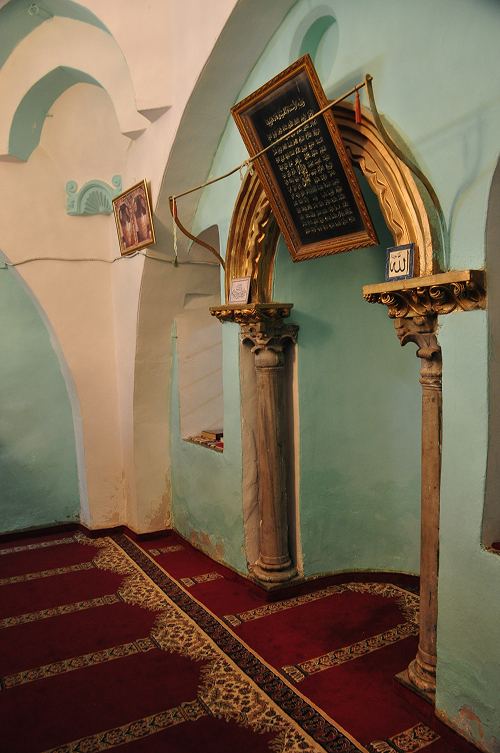
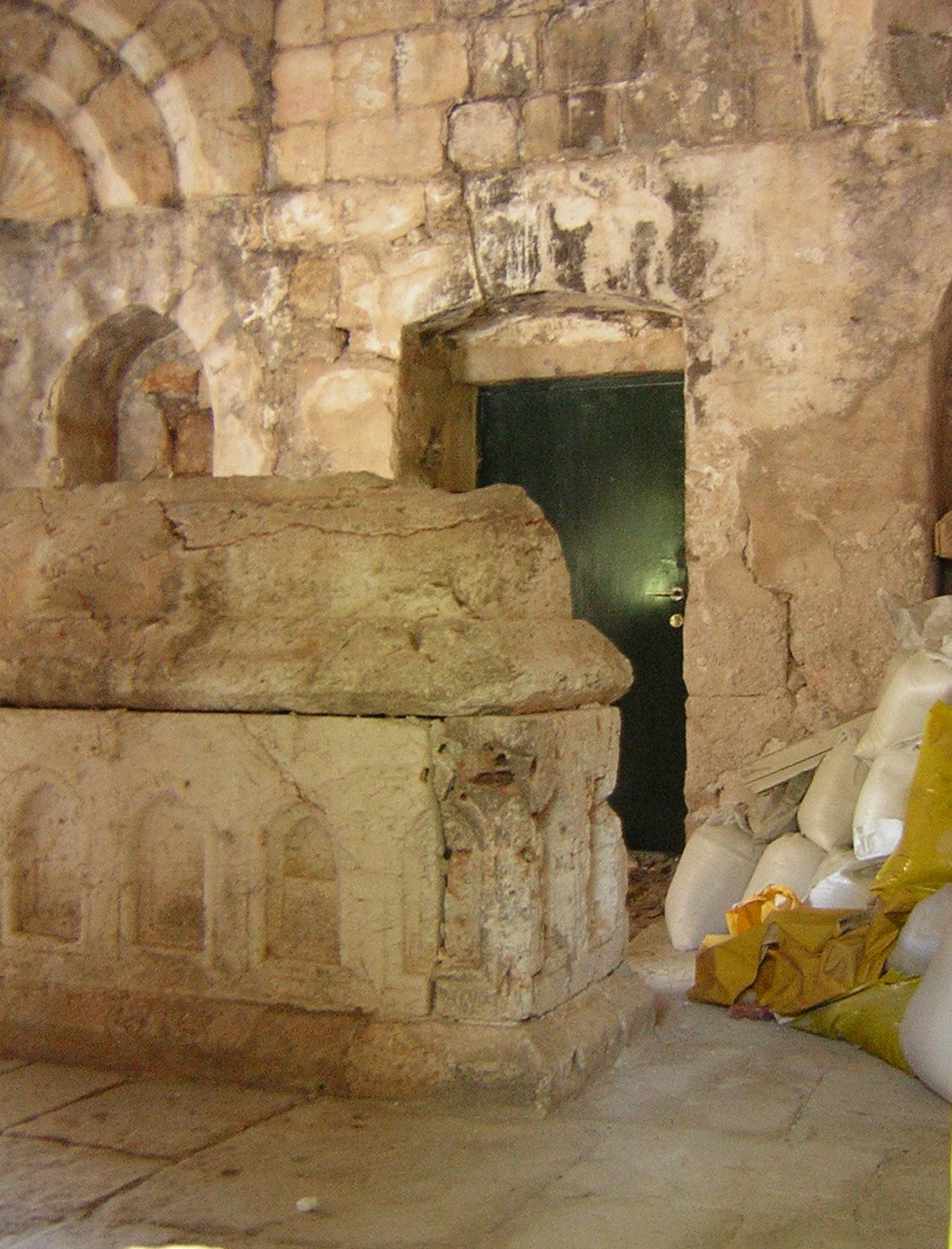
Inside, al-Kubaki himself presumably lies at rest, under a sarcophagus-style tombstone. This could be a repurposed Crusader grave, but might equally be evidence of European styles employed by local indigenous stonemasons. In the southeast wall, a mihrab, or niche indicating the direction of Mecca for Muslim prayer, reflects the Islamic faith of the deceased. Rather than a simple dichotomy of conqueror and conquered, the stones speak of a local synthesis. Builders took what was best from each tradition to create a unique Jerusalem style.
Over time, legends grew around al-Kubakiyya. According to J.E. Hanauer, a Swiss-born Anglican priest who lived in Jerusalem and documented regional folklore in the late 19th and early 20th centuries, some local people associated the tomb with Juha, a trickster figure in Palestinian folktales. We know from other Western travellers that al-Kubakiyya was in a dilapidated state in the 1870s, but was subsequently restored by the Ottoman authorities.

Sketch of al-Kubakiyya in the 1860s by French archaeologist Charles Clermont-Ganneau. Courtesy of the Palestine Exploration Fund
After 1948, al-Kubakiyya once again started to fall into disrepair. For some time, the structure was occupied by the homeless of Jerusalem, unwittingly continuing an old tradition in Palestine in which poor people would live in shrines; the entrance was, however, sealed in 2009. Today, al-Kubakiyya has survived the cemetery’s shrinking and redevelopment, a lonely reminder of Mamilla Cemetery in its Mamluk heyday.
Shaykh ʿAbdullah al-Qurashi
“Where the light of compassion descends day and night”
Scholars and religious teachers came from around the Islamic world to visit Jerusalem. Some never left. One such pilgrim is Muhammad ibn Ahmad al-Qurashi, named on his beautiful gravestone in Mamilla as [Abu] ʿAbdullah al-Qurashi.
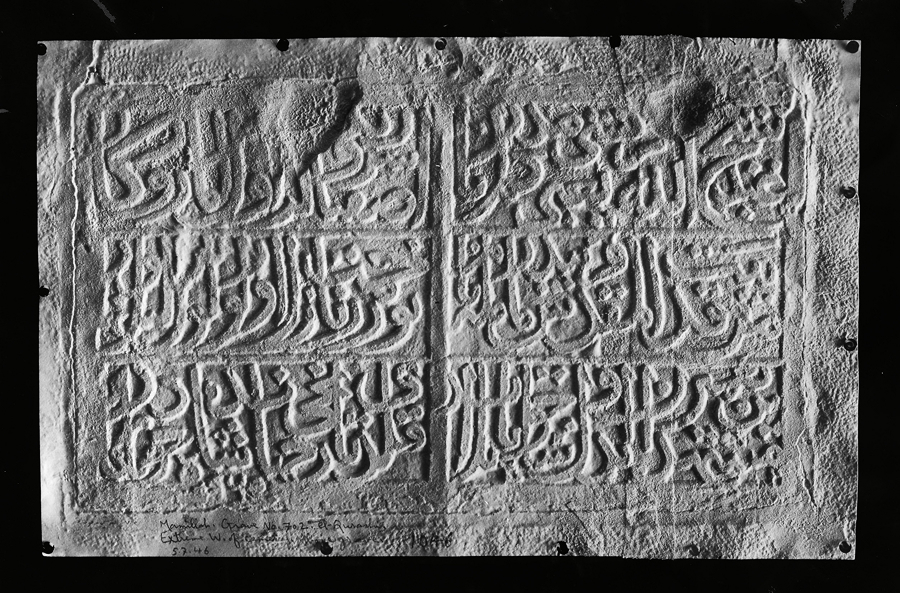
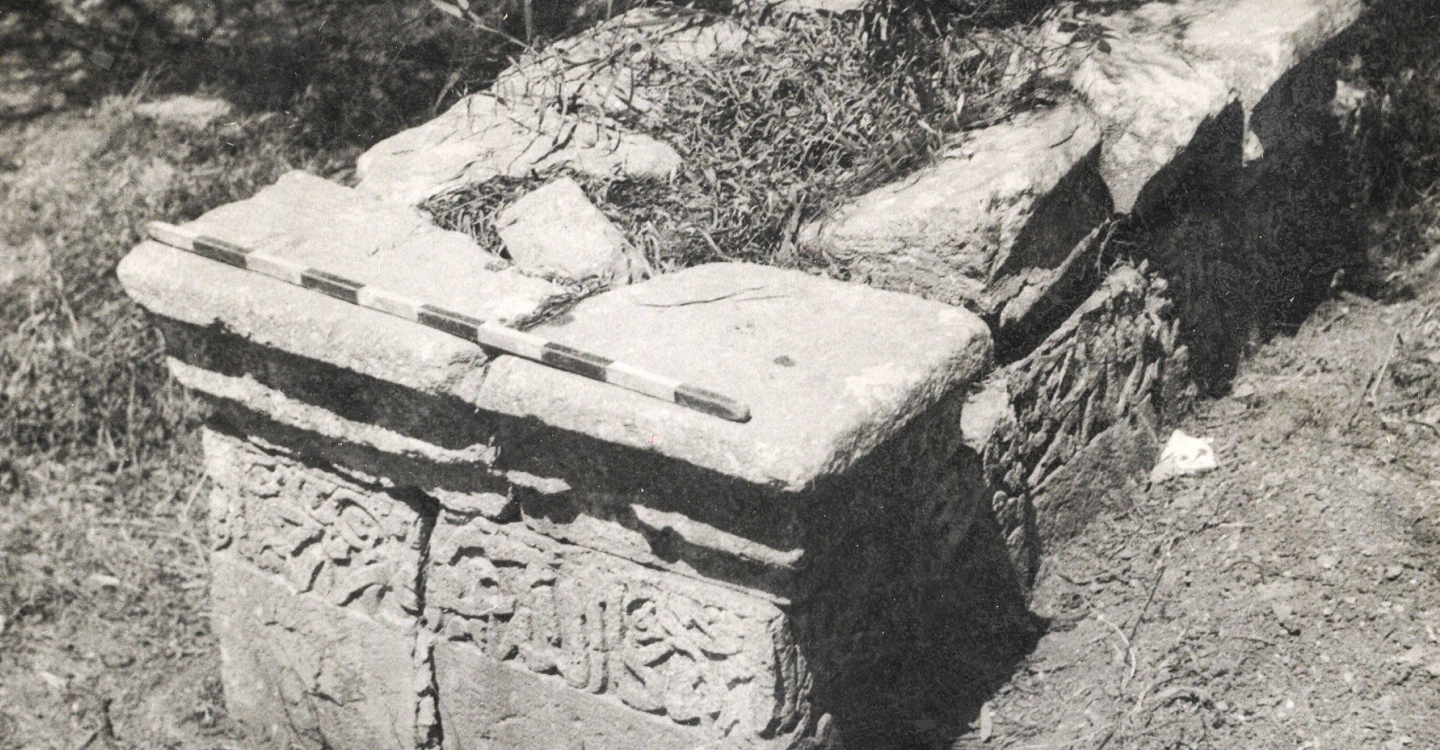
Squeeze of al-Qurayshi’s tombstone, formed by pressing wet paper into the engraving, by Hamdi Nubani in 1946. Courtesy of the Israel Antiquities Authority
His family name indicates he was a descendant of the Arabian Quraysh tribe, the tribe of the Prophet Muhammad, highly respected among Muslims. Al-Qurashi was born in 1150 in what was then known as al-Jazira al-Khadra or “the Green Island” – today, the city of Algeciras in southern Spain. This area, known to the Arabs as al-Andalus, had been under Arab and Islamic control since the 710s.
Drawn by Jerusalem’s sanctity, al-Qurashi travelled from one end of the Mediterranean to the other, passing through Cairo and then settling down in Jerusalem. There, he earned renown as a Sufi scholar and teacher, attracting over 600 students to his zawiya or Sufi school. He also had a reputation as a faith healer and miracle worker – not only during his life, but also after he died in 1202.
Al-Qurashi’s gravestone and its inscription offer important clues to the respect he was paid after death. It reads:
Shaykh ʿAbdullah al-Qurashi, that is, source of miracles
And he indicates the time of the leader of all saints
His grave is near Bayt al-Maqdis [Jerusalem] in a place called Mamilla
Where the light of compassion descends day and night
He who has established his holy place at Baballah is the rightful king
In his past in this world, the king produced beautiful things
“Source of miracles” reflects the practice of later pilgrims, who visited Mamilla to perform Islamic prayer by graves of famous holy people like al-Qurashi, believing God would answer their prayers from such an auspicious location. For instance, an 18th-century Egyptian traveller, Mustafa Asʿad al-Luqaymi, wrote
In the afternoon I went with some gracious and noble friends to the Mamilla cemetery, the burial ground of the quintessence of righteous people, whose merits are reiterated in traditions and sayings. Al-Hasan says that the origin of the word is ma min Allah, and that burial in it is like burial in Heaven. We visited the masters in its soil, and stood at the thresholds of these weighty people, such as ʿAbdullah al-Qurashi, Ibn Raslan, Ibn al-Humam, Ibn Jamaʿa, al-Shaykh al-Dajani and al-Kamal ibn Abi Sharif, from whose graves all traces are gone, but whose tidings are still read in books. I recited on their graves such Quranic verses as I could.
More prosaically, travellers and locals also called on al-Qurashi’s name when suffering from indigestion.
Not only the living wanted to associate closely with the holy man. Mujir al-Din notes that many of al-Qurashi’s Sufi followers were buried close by him, including the 15th-century Palestinian scholar Ibn Raslan, forming a hawsh or “neighbourhood” of graves. Today, none of these once-revered graves are to be found, and al-Qurashi’s tombstone has been placed on an unrelated fustuqiya, or communal family grave, in a corner of the Independence Park in the south-west of the cemetery area.
Al-Qurashi’s tombstone itself is a work of art carved in stone. Yet the calligraphy is not in the style of the 13th century when al-Qurashi passed away, but rather of the 16th century; neither is its poetry in Arabic, but in Turkish. Why? Such was the popularity of visits to this grave, it had to be renovated twice: in 1322 (according to Mujir al-Din), and again under the Ottomans in 1557. Hence, the “rightful king” who “produced beautiful things”, praised on the stone, can be identified as Ottoman Sultan Suleiman the Magnificent (reigned 1520–66), who changed the face of Jerusalem by ordering the construction of the walls which still surround the Old City today. It is possible that the Turkish inscription was accompanied by an Arabic one, long since lost.
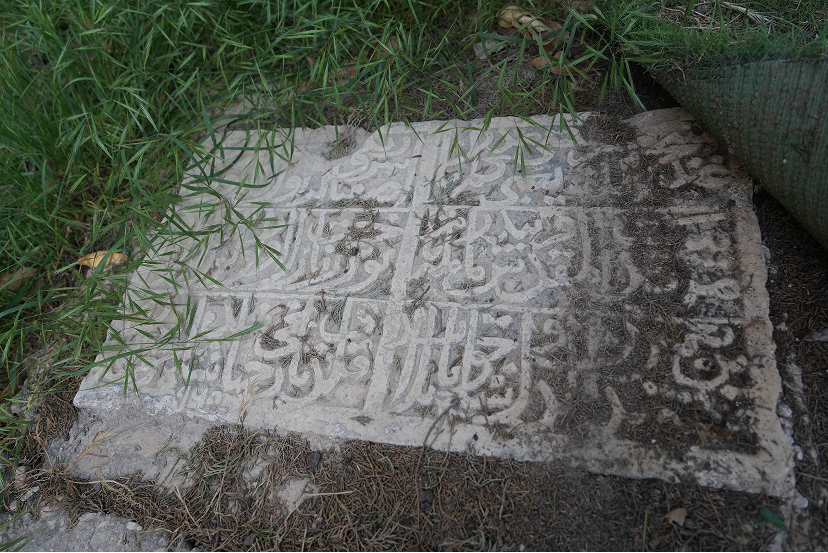
Al-Qurayshi’s tombstone in Mamilla today, partially obscured by astroturf. © Tawfiq Daʿadli, 2026